

Introduction
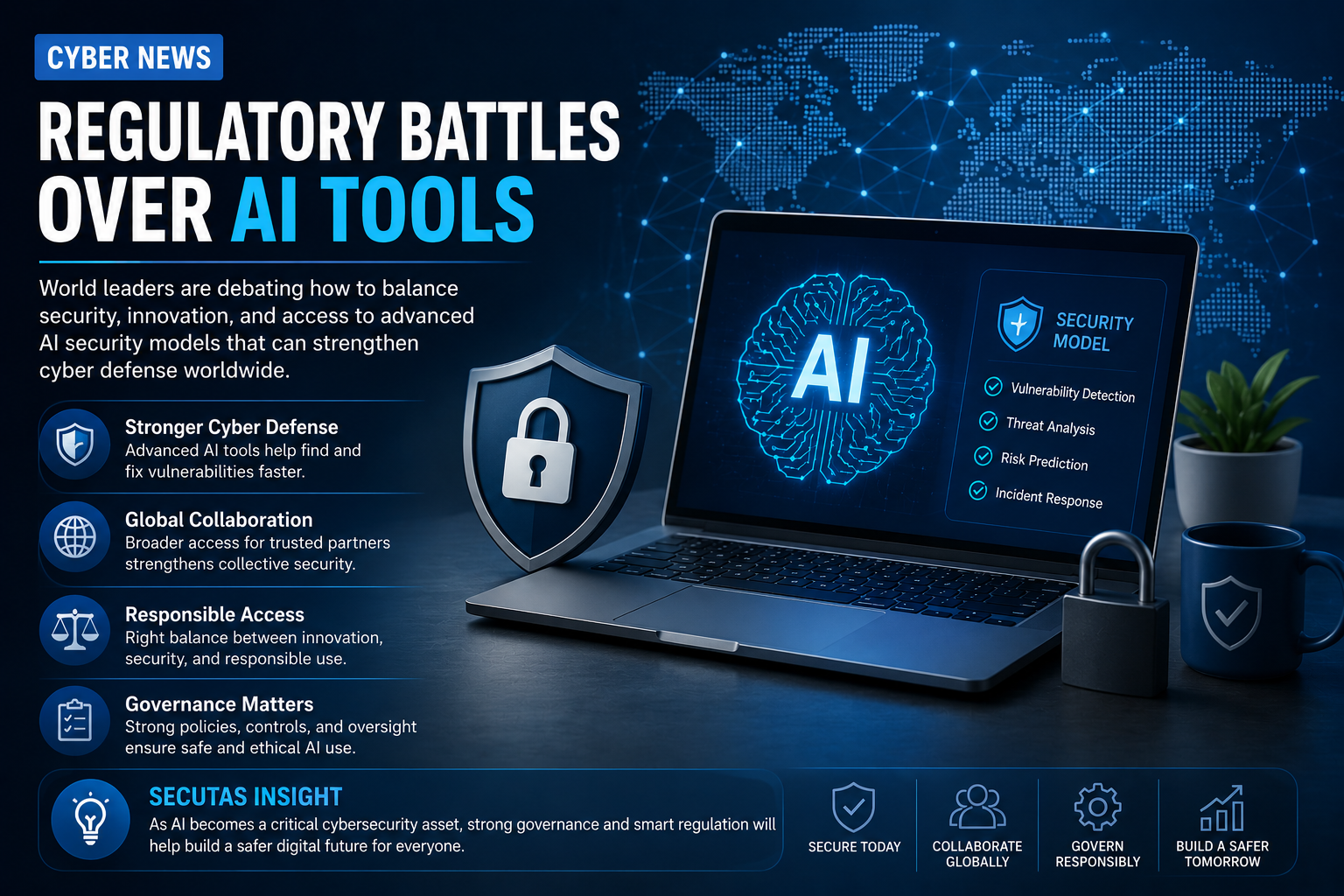
Artificial Intelligence is rapidly transforming cybersecurity. Security teams are increasingly using AI-powered tools to identify vulnerabilities, detect threats, and strengthen defenses against cyberattacks. However, a new debate is emerging among world leaders and cybersecurity experts: Who should have access to the most advanced AI security models?
Recent discussions at the G7 Summit have brought this issue into the spotlight, highlighting the growing intersection of cybersecurity, national security, and AI governance.
The Debate
Several world leaders, including French President Emmanuel Macron, have urged the United States to expand access to advanced AI security models for trusted allies and partner organizations.
These AI systems are designed to help security professionals discover software vulnerabilities, analyze threats, and improve cyber defenses. Supporters argue that limiting access to such tools could leave allied nations at a disadvantage when facing increasingly sophisticated cyber threats.
At the same time, U.S. policymakers have expressed concerns that these powerful AI capabilities could be misused if they fall into the wrong hands. Advanced AI models capable of identifying vulnerabilities could potentially be used by threat actors to accelerate cyberattacks or discover weaknesses in critical systems.
As a result, governments are trying to determine the right balance between security and accessibility.
Why This Matters for Cybersecurity
Cyber threats are becoming more complex every year. Organizations face attacks from cybercriminals, ransomware groups, nation-state actors, and insider threats.
AI-powered security tools offer several advantages:
- Faster vulnerability discovery
- Improved threat detection
- Enhanced security analysis
- Automated risk identification
- More efficient incident response
Many cybersecurity experts believe that restricting access to these tools could weaken collective cyber defense efforts across allied nations. They argue that defenders need access to the best available technology to protect critical infrastructure, businesses, and government systems.
The Security Concerns
While AI can strengthen cybersecurity, it can also create new risks.
Potential concerns include:
Offensive Use of AI
The same AI system that helps identify vulnerabilities for defensive purposes could potentially be used by attackers to discover security weaknesses.
Export Control Challenges
Governments must decide whether advanced AI models should be treated similarly to other sensitive technologies that are subject to export restrictions.
National Security Risks
Advanced AI capabilities could become strategic assets, making access control a matter of national security.
AI Governance
Organizations must ensure that AI systems are used responsibly, securely, and ethically.
What This Means for Security Auditors
Cybersecurity auditors should closely monitor developments in AI governance and regulation.
Future security assessments may need to evaluate:
- AI governance frameworks
- Access controls for AI systems
- AI-related risk management processes
- Security testing of AI-enabled applications
- Compliance with emerging AI regulations
- Third-party AI service risks
As organizations adopt AI-driven security solutions, auditors will play an important role in ensuring these technologies are deployed securely and responsibly.
The Future of AI and Cybersecurity
The discussion surrounding advanced AI security models represents a broader challenge facing the cybersecurity industry.
Organizations want access to powerful AI tools that can strengthen defenses and improve resilience. Governments want to ensure that these capabilities do not create new national security risks.
Finding the right balance will require cooperation between policymakers, technology companies, security professionals, and international partners.
Secutas Insight
The future of cybersecurity is no longer just about protecting networks, applications, and data. It is also about managing access to advanced AI capabilities that can influence both cyber defense and cyber offense.
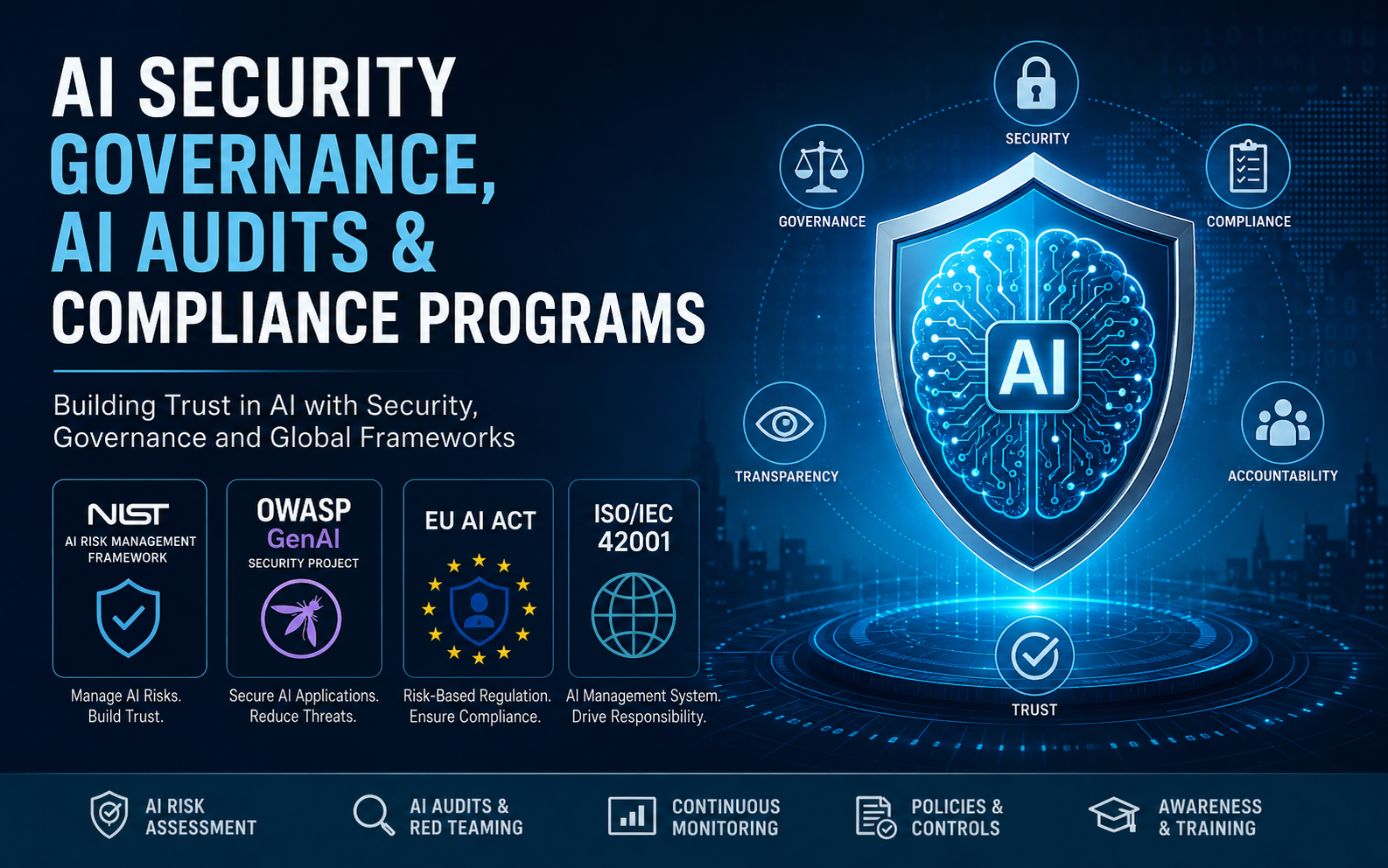
As AI becomes an essential part of cybersecurity operations, organizations should begin developing governance frameworks, risk management processes, and security controls that address AI-specific risks.
The regulatory battles happening today may shape how cybersecurity is practiced for years to come.
Cybersecurity professionals, auditors, and business leaders should pay close attention to these developments as AI continues to redefine the global security landscape.
Leave a Reply