

Introduction
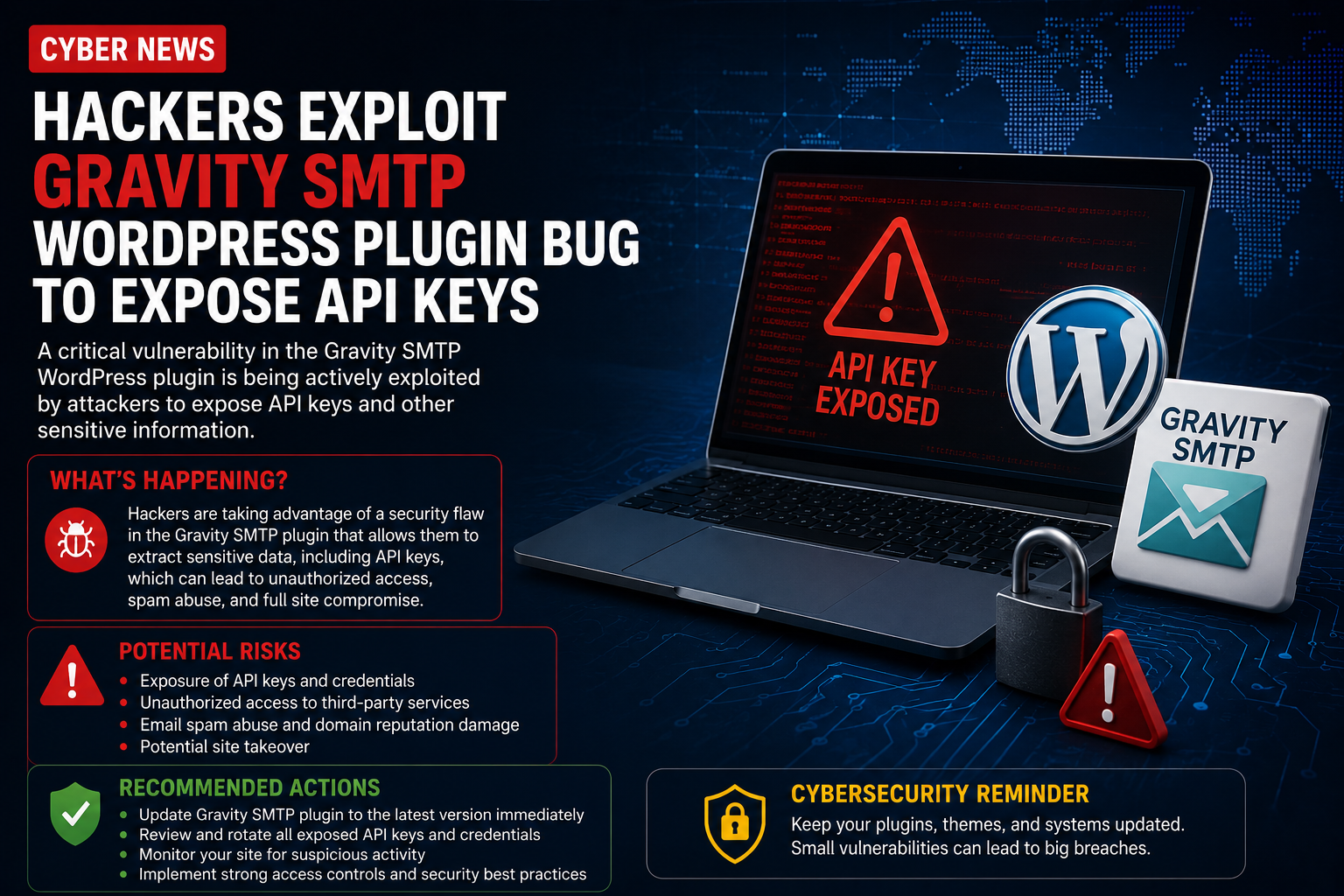
A newly disclosed vulnerability in the popular Gravity SMTP WordPress plugin has raised concerns across the cybersecurity community. Security researchers have reported that attackers are actively exploiting the flaw to access sensitive information, including API keys and email service credentials.
The incident serves as another reminder that third-party plugins can introduce significant security risks if not properly maintained and monitored.
What Happened?
Gravity SMTP is a WordPress plugin designed to help website administrators configure and manage email delivery services. Many organizations rely on such plugins to ensure website notifications, contact forms, and transactional emails are delivered reliably.
Researchers discovered a vulnerability that could allow unauthorized users to access sensitive configuration data stored within affected WordPress environments. Among the exposed information are API keys and SMTP credentials used to connect with third-party email providers.
Because API keys often provide direct access to external services, their exposure can create serious security risks beyond the WordPress website itself.
Why API Keys Matter
API keys act as digital credentials that allow applications and services to communicate securely.
If attackers obtain these credentials, they may be able to:
- Access connected email platforms
- Send unauthorized emails
- Conduct phishing campaigns
- Abuse cloud-based services
- Gather sensitive business information
- Launch further attacks against connected systems
In many cases, exposed API keys can become the starting point for a larger security breach.
Potential Business Impact
Organizations using vulnerable versions of the plugin could face several risks:
Email Service Abuse
Attackers may use stolen credentials to send spam or phishing emails through legitimate business accounts.
Reputation Damage
Compromised email services can lead to blacklisting of domains and reduced trust among customers and partners.
Data Exposure
API keys may provide access to additional services containing sensitive business information.
Operational Disruption
Organizations may need to revoke credentials, rotate keys, investigate incidents, and restore affected systems.
Lessons for Organizations
The Gravity SMTP incident highlights several important cybersecurity lessons.
Third-Party Components Need Regular Review
Plugins, extensions, and integrations are often overlooked during security assessments. However, they frequently become targets for attackers due to their widespread use.
Vulnerability Management Is Critical
Organizations should maintain an inventory of installed plugins and ensure updates are applied promptly when security patches become available.
Credential Security Matters
API keys should be treated as sensitive assets and protected using strong security controls. Organizations should regularly review where credentials are stored and who has access to them.
Monitoring and Logging Are Essential
Security teams should continuously monitor for unusual activity involving email systems, API usage, and authentication attempts.
Recommended Actions
Organizations using WordPress should take the following steps:
✅ Update Gravity SMTP to the latest secure version
✅ Review plugin configurations
✅ Rotate potentially exposed API keys
✅ Change SMTP credentials if necessary
✅ Audit user accounts and permissions
✅ Monitor logs for suspicious activity
✅ Include plugins and integrations in vulnerability assessments
What Auditors Should Look For
Cybersecurity auditors should use incidents like this to evaluate:
- Plugin and software inventory management
- Vulnerability management processes
- Patch management effectiveness
- Credential management practices
- Third-party risk management controls
- Security monitoring capabilities
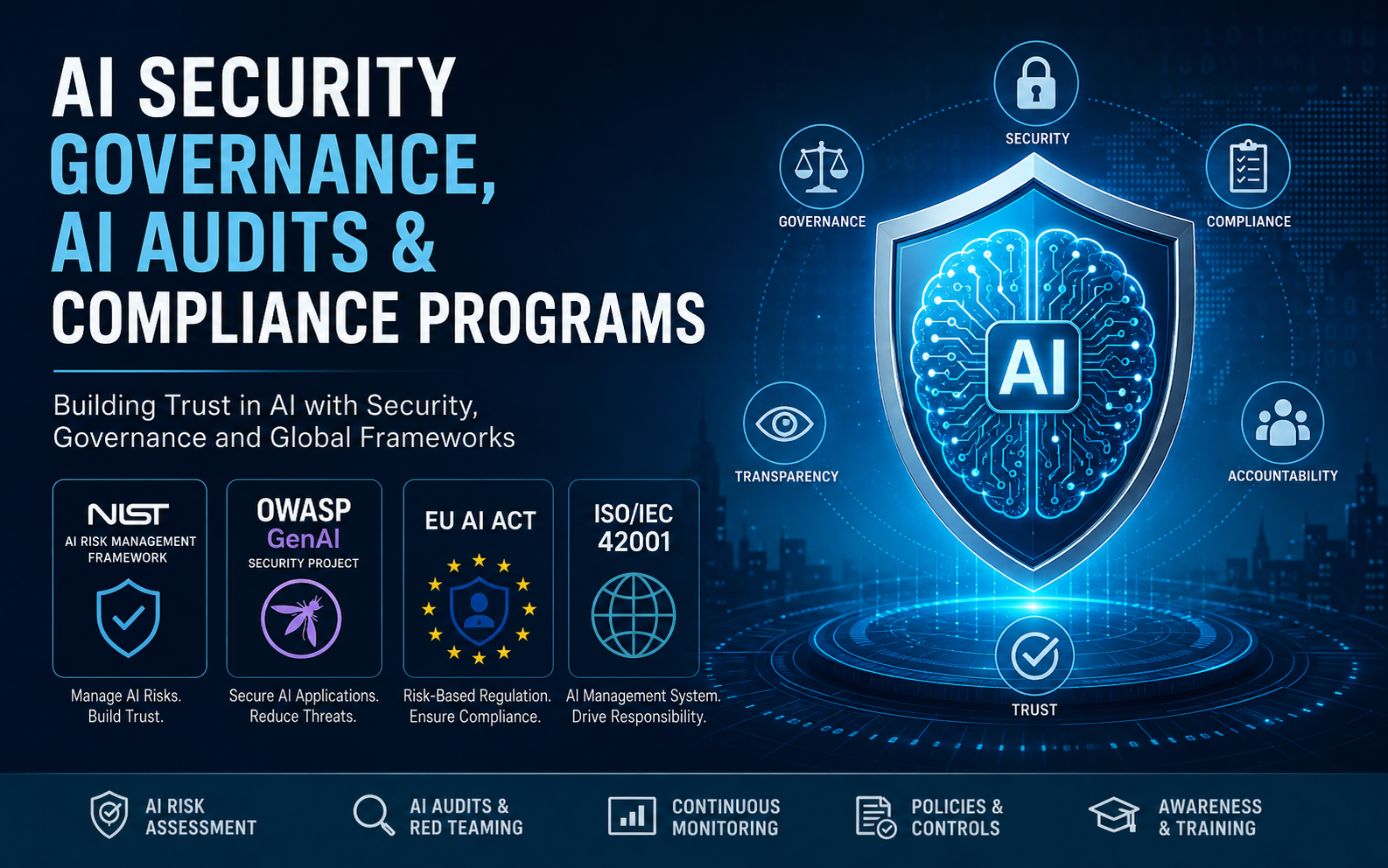
These controls align with widely adopted frameworks such as ISO/IEC 27001, NIST Cybersecurity Framework, and CIS Controls.
Secutas Insight
The Gravity SMTP vulnerability demonstrates how a single overlooked plugin can create a pathway to sensitive business systems. While organizations often focus on operating systems, firewalls, and endpoint security, third-party plugins and integrations can become equally important attack surfaces.
A strong cybersecurity program requires continuous monitoring, timely patching, effective credential management, and regular security assessments of all components within the technology environment.
As cyber threats continue to evolve, organizations must remember that security is only as strong as their most vulnerable component.
Leave a Reply